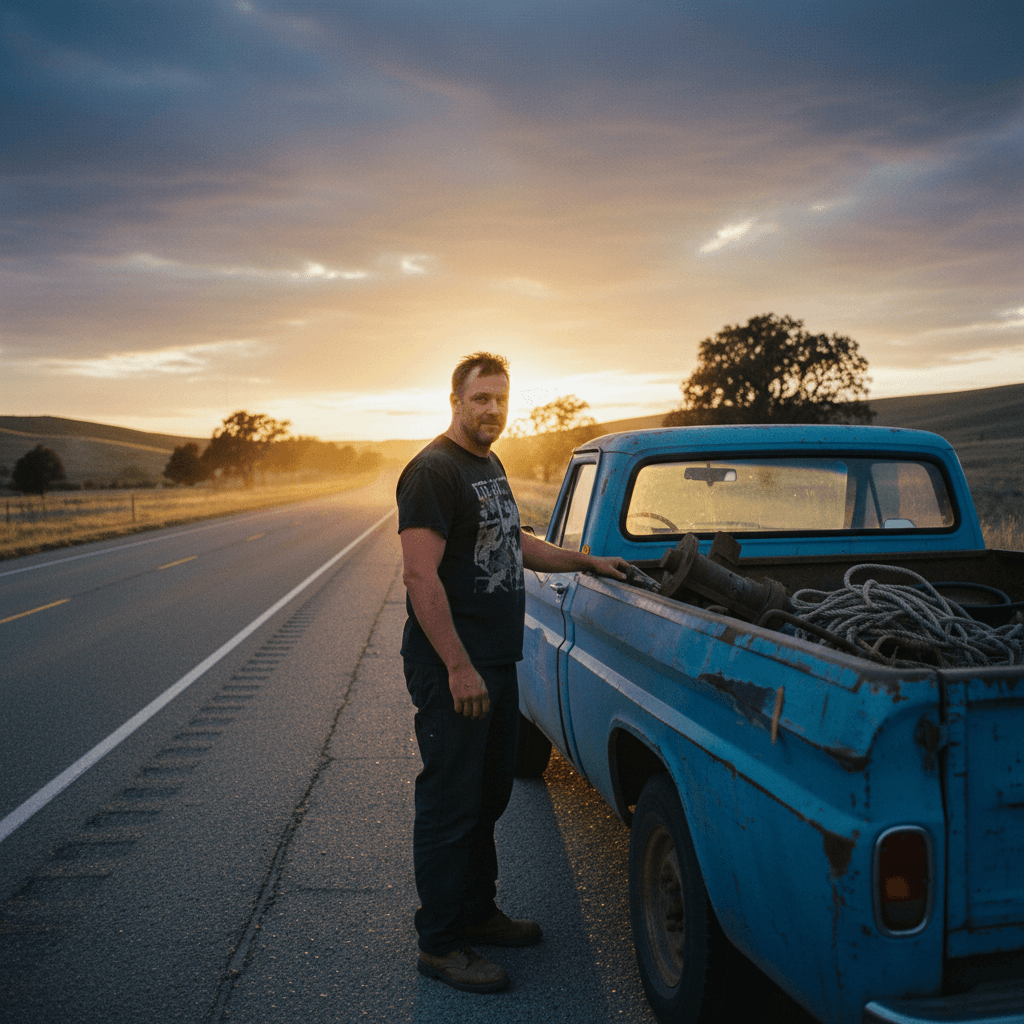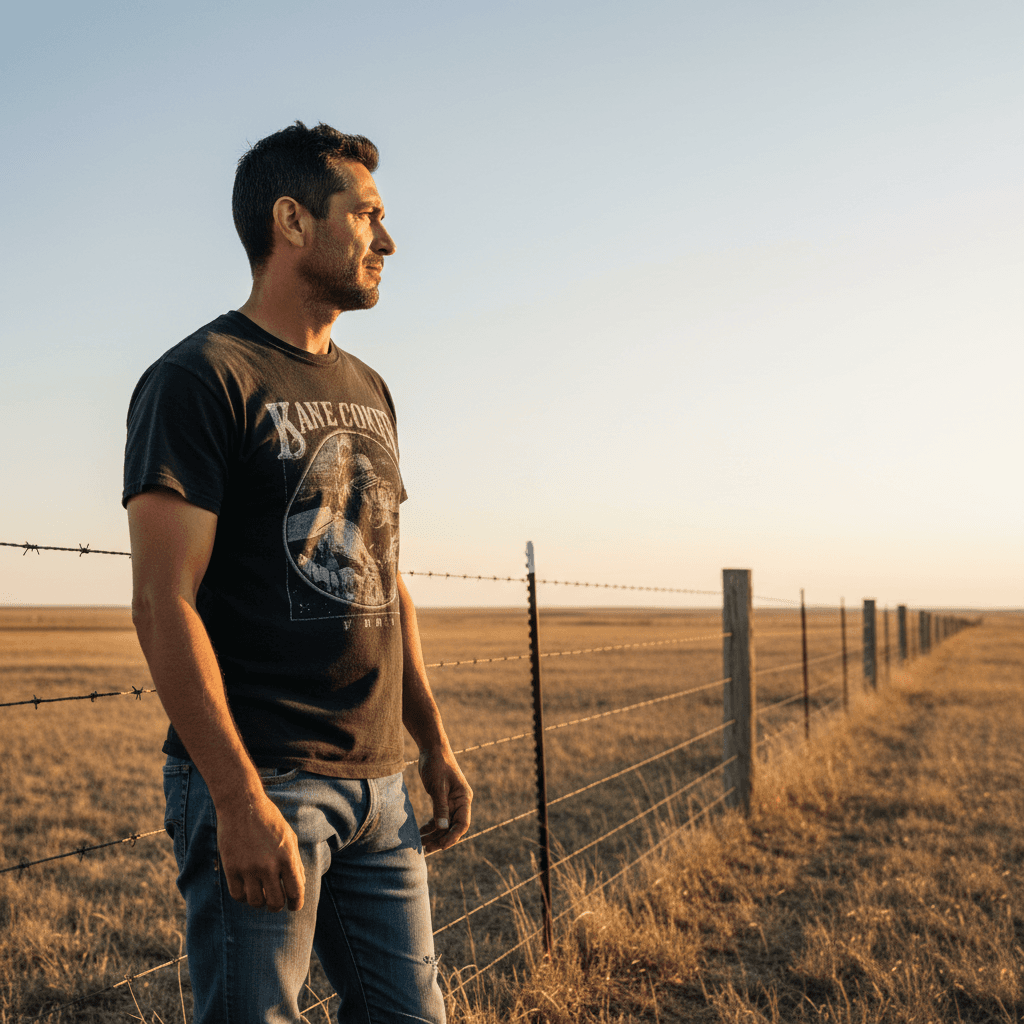
There's a guy you've seen.
He drives a truck that's got a hundred thousand miles on it. The bed has dents. There are tools in the back, or soil, or rope — whatever the work requires. The truck is not a status symbol in the traditional sense. Nobody made it for Instagram.
But it says something.
It says: the money went somewhere else. Back into the business. Into equipment. Into people. Into whatever the build requires right now that isn't a nicer truck.
That's a very specific kind of restraint. Not the restraint of someone who can't afford better. The restraint of someone who's clear on what matters and what doesn't, and isn't confused by the two.
The culture of conspicuous success — the car that announces you've arrived, the watch that says you're serious, the office designed to impress — assumes that you need other people to confirm the thing you already know.
The guys with the beat-up trucks mostly don't need that confirmation.
They know where they are in the build. They know what they've sacrificed to get here. They know what's coming if they keep doing what they're doing. External validation is a nice-to-have, not a required input.
This isn't about being anti-success. It's about what kind of success you're building toward.
There's a version of success that's about accumulating signals — the things that tell the world you made it. And there's a version that's about building something that works, that lasts, that solves a real problem and survives contact with the market.
The second version usually drives a truck for longer than feels comfortable.
The truck is the signal. Just not the one most people are watching for.
— BUILT THREADS